Stroke, commonly referred to as cerebral stroke, is a life-threatening medical emergency that can lead to severe disability or death if not recognised and treated promptly. Despite advances in medical technology, stroke continues to be a major public health concern in India. Every year, an estimated 12–15 lakh new stroke cases are reported in the country, affecting individuals, families and communities. Stroke often occurs during the productive years of life, particularly among people in their fifties and early sixties, and can have a significant impact on family finances, social life, children’s education and overall well-being.
The article highlights the importance of recognising the early warning signs of stroke using the BE FAST approach, which stands for Balance difficulties, Eye or vision problems, Facial drooping, Arm weakness, and Speech difficulties. Recognising these symptoms and seeking immediate emergency medical care can help patients receive timely diagnosis and appropriate treatment. Early intervention is particularly important because eligible patients with certain types of ischaemic stroke may benefit from thrombolytic therapy within the recommended treatment window.
It also discusses the major risk factors associated with stroke, including smoking, hypertension, diabetes, excessive alcohol consumption, high cholesterol, obstructive sleep apnoea, elevated homocysteine levels and a family history of vascular disease or stroke. Understanding and managing these risk factors through regular medical check-ups, healthy lifestyle choices and appropriate medical care can help reduce the risk of stroke.
The article explains the two major types of stroke— ischaemic stroke, caused by a blockage in a blood vessel supplying the brain, and haemorrhagic stroke, caused by bleeding in or around the brain. Since these conditions require different treatment approaches, urgent brain imaging is essential to establish the diagnosis and guide appropriate treatment.
In addition to emergency treatment, rehabilitation plays a vital role in stroke recovery. Physiotherapy, occupational therapy and other personalised rehabilitation measures can help patients regain mobility, improve their ability to perform daily activities and work towards greater independence. Appropriate medical follow-up and individually tailored preventive treatment are also essential to reduce the risk of recurrent stroke and other cardiovascular complications.
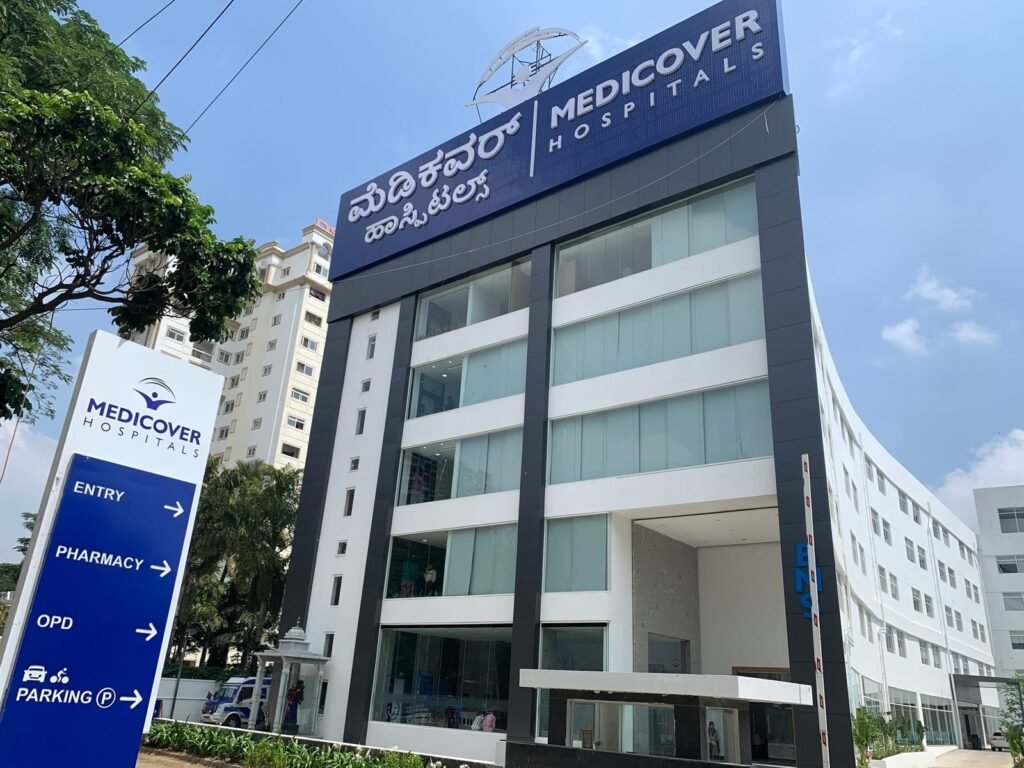
Medicover Hospital highlights its commitment to providing comprehensive care to both Indian and international stroke patients, with an emphasis on timely intervention, personalised treatment and rehabilitation. Through greater awareness, early recognition of symptoms, effective management of risk factors and access to appropriate medical care, the article encourages individuals and healthcare institutions to work together to reduce the burden of stroke and improve patient outcomes.
Leave a Reply