
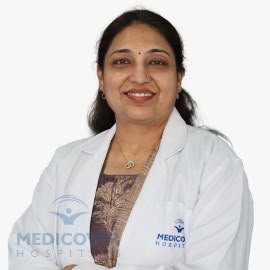
Bangalore, October 13, 2026: A new mother who notices one leg swollen and aching a few weeks after delivery will often put it down to tiredness. But it could be a blood clot in a deep vein, and if part of that clot travels to the lungs, it can become life-threatening within hours, says Dr. Teji Dawane, Gynecologist, Medicover Hospitals, Bangalore.
Thrombosis is the formation of a blood clot inside a blood vessel. Clots in arteries cause heart attacks and strokes. Clots in veins cause venous thromboembolism (VTE), which includes deep vein thrombosis (DVT), usually in the leg, and pulmonary embolism (PE), when a clot blocks blood flow in the lungs. According to the International Society on Thrombosis and Haemostasis (ISTH), which leads World Thrombosis Day, one in four people worldwide die from conditions related to blood clots.
The campaign’s theme for 2025–26 is “From Head to Toe, Take Control: Prevent Thrombosis, Protect Your Health”. This year it focuses on women, whose risk of blood clots rises and falls at different stages of life.
Why women’s risk changes
Pregnancy raises the risk of a blood clot about four to five times. The highest risk comes in the first six weeks after delivery, when it can be around 20 times higher than in women who are not pregnant. This is because the body prepares to prevent heavy bleeding at childbirth, which also makes blood clot more easily.
Contraceptive pills, patches and vaginal rings that contain oestrogen also increase the risk, though for most healthy young women the actual chance of a clot remains low. Progestin-only methods generally carry a lower risk. During menopause, hormone therapy taken as tablets raises the risk two to three times, while therapy through skin patches or gels appears to carry a much lower risk. A previous clot, a family history of clots, smoking and obesity add to a woman’s risk at any age.
“Please don’t stop your contraceptive pill or hormone therapy on your own after reading about clots,” says Dr. Teji Dawane. “Instead, tell your doctor if you or a close family member has ever had a clot, if you smoke, or if you are planning a pregnancy. There are safer options for women at higher risk, and the right choice depends on your individual situation.”
A hospital stay is a major risk, for everyone
Up to 60 percent of clots in veins develop during a hospital stay or within 90 days of going home, making them a leading preventable cause of death in hospitals. Surgery, cancer, serious illness and long periods of lying still all raise the risk. Patients and families should ask the treating team whether the patient’s clot risk has been assessed, and follow any advice on prevention, including after discharge.
Know the warning signs
A clot in the leg may cause:
- Swelling, usually in one leg
- Pain or tenderness
- Warmth or redness of the skin
A clot in the lungs may cause:
- Sudden shortness of breath
- Chest pain
- A fast heartbeat
- Coughing
These signs need emergency medical attention.
“Breathlessness after a delivery or an operation is often brushed off as weakness or anxiety,” says Dr. Teji Dawane. “If it comes on suddenly, or with chest pain or a swollen leg, go to an emergency department immediately. Treatment works best when it starts early.”
Simple steps that help
If you are admitted to hospital or having surgery, ask about your clot risk, and follow the prevention plan you are given, including after you go home.
Keep moving: after surgery or delivery, start walking as soon as your doctor advises, and on long journeys get up or flex your calves regularly.
Do not smoke, and keep a healthy weight.
Before starting hormone medicines or planning a pregnancy, tell your doctor about any personal or family history of clots.



Leave a Reply